
Decompression vs. Socialization: What a Reactive Dog Actually Needs
It is a common misconception among well-meaning pet parents: if a dog is acting out, showing fear, or displaying aggression toward other dogs or people, they just need more socialization. The instinct is often to take troubled or angry dogs to the dog park or walk them down busy streets, hoping they will eventually “get used to it.”
Unfortunately, for a reactive dog, forcing them into highly stimulating social situations usually has the exact opposite effect—it makes the fear and aggression much worse.
At Clifton Ave Animal Hospital, we understand the complex behavioral needs of reactive dogs. Before a dog can learn to be calm in a stressful environment, they first need to remember how to be calm at all.
The Power of the “Cortisol Vacation”
When a dog reacts to a trigger—whether it is a stranger, another dog, or a loud noise—their body is flooded with stress hormones, particularly cortisol. If a dog is constantly exposed to their triggers day after day, those cortisol levels never have a chance to return to a normal baseline. They are living in a chronic state of “fight or flight.”
Decompression involves giving your dog a complete break from the things that trigger them.
This “cortisol vacation” might mean:
- Pausing regular neighborhood walks in favor of quiet puzzle toys indoors.
- Renting a private, fenced-in field where they can run safely.
- Focusing on scent work and mental stimulation rather than physical proximity to triggers.
Giving a stressed dog this vital break is the necessary first step to modifying violent or reactive behavior. A dog simply cannot learn, adapt, or build positive associations when their brain is actively panicked.
A Low-Stress Environment for Difficult Dogs
We know that a trip to the veterinarian can be one of the biggest triggers for a reactive dog. The unfamiliar smells, the presence of other animals, and the physical handling can easily push a fearful dog over their threshold.
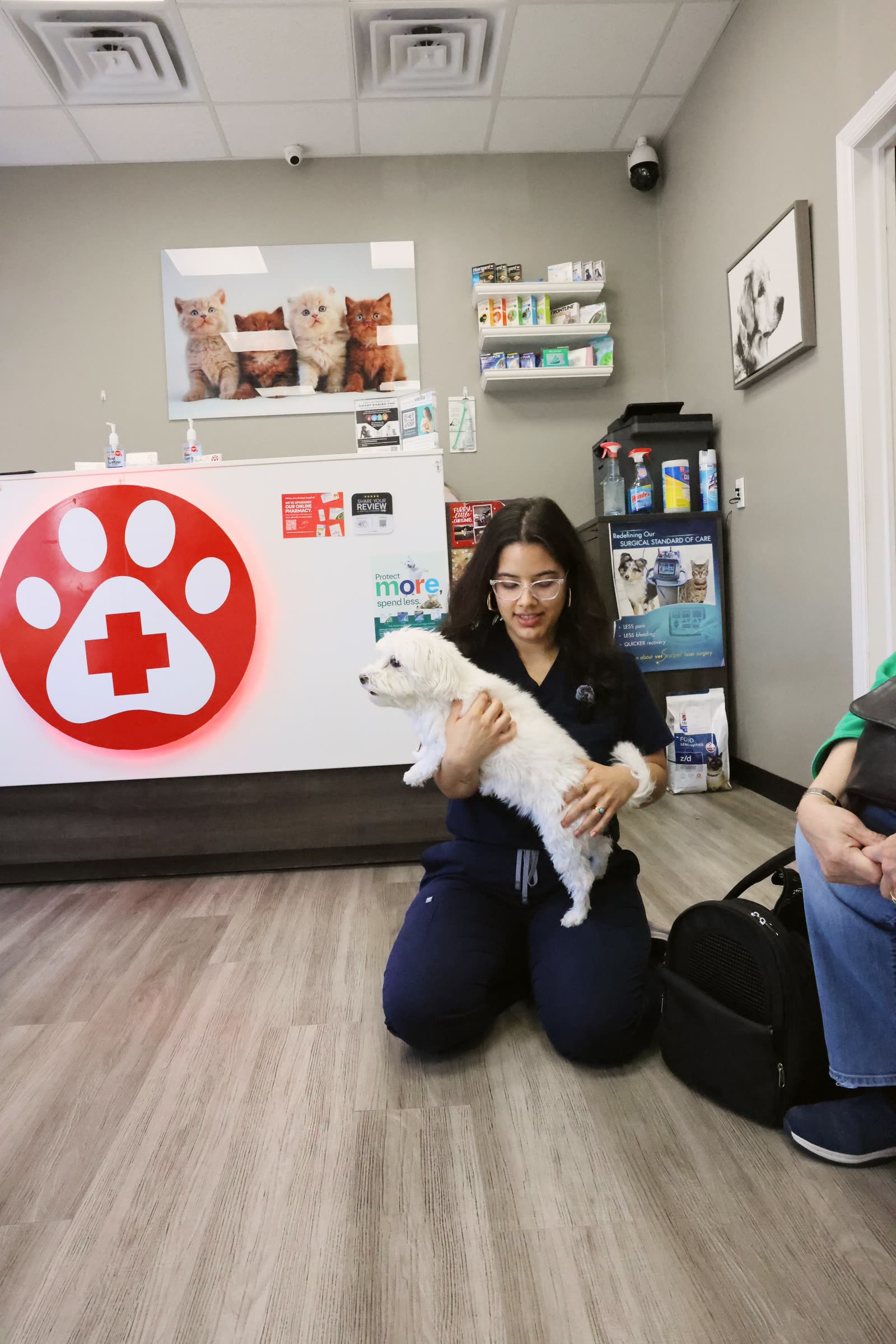
That is why our team at Clifton Ave Animal Hospital is dedicated to providing a low-stress environment specifically tailored to these patients. We adapt our approach to meet your dog where they are by:
- Utilizing specialized handling techniques.
- Minimizing wait times in crowded lobbies.
- Creating a personalized, fear-free visit plan unique to your pet.
You Are Not Alone
Having a dog with severe fear, reactivity, or a bite history can feel incredibly isolating. It is easy to feel judged or overwhelmed, but you do not have to navigate their medical care on your own.
Our staff is highly trained to safely and compassionately medically treat and handle dogs with significant behavioral challenges. If you have a dog that struggles with veterinary visits, please reach out to us.
Let us know about your dog’s specific triggers so we can work together to ensure their next visit is as safe and stress-free as possible.