The Master of Disguise: 5 Subtle Signs Your Cat is Secretly Sick
Welcome to the Clifton Ave Animal Hospital blog! As veterinary professionals, we often hear from surprised pet parents who say, “But they seemed perfectly fine yesterday!”
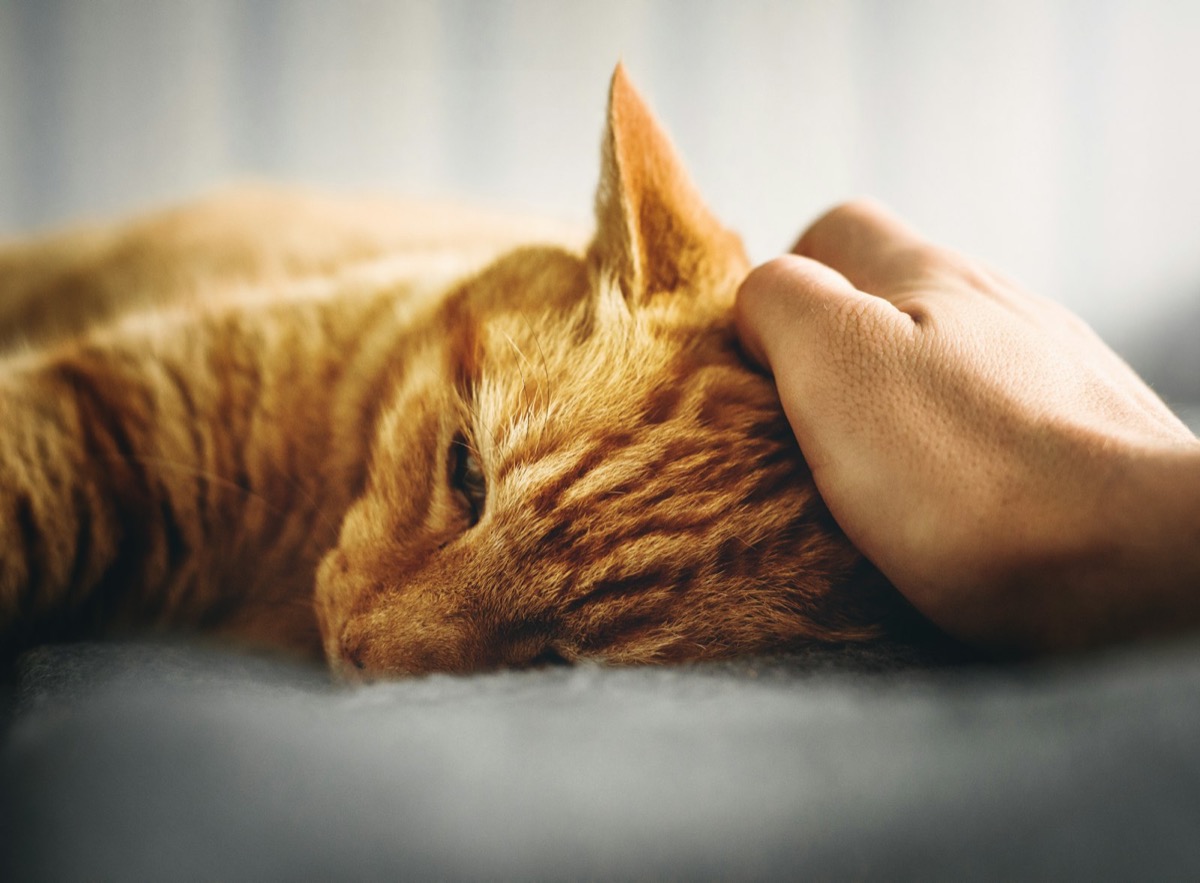
The truth is, your cat is an evolutionary expert at hiding pain and illness. In the wild, showing weakness makes an animal a target for predators. Even though your house cat’s biggest daily threat is the vacuum cleaner, those survival instincts remain hardwired into their DNA. Because they mask their symptoms until they are severely compromised, it is up to us to become detectives, watching for the subtle micro-changes that signal something is wrong.
1. Shifts in Litter Box Habits
Changes in the litter box are often the first red flag for several common feline conditions. Don’t just scoop; observe.
- Increased volume or frequency: Larger clumps of urine can indicate kidney disease, diabetes, or hyperthyroidism.
- Straining or frequent trips: This can point to a feline lower urinary tract disease (FLUTD) or a life-threatening blockage, especially in male cats.
- Accidents outside the box: Often dismissed as behavioral, this is frequently a sign of pain, stress, or a urinary tract infection.
2. The Disappearing Act
Cats love their naps, but pay attention to where they are sleeping. If your normally social cat suddenly starts spending all day under the guest bed, deep in a closet, or avoiding their usual sunny window perch, they may be retreating because they feel unwell or are in pain.
3. A Decline in Coat Condition
A healthy cat is a meticulous groomer. If you notice your cat’s coat looking greasy, dull, flaky, or developing mats—especially along the spine or hindquarters—it is cause for concern. A lack of grooming can indicate that the cat is too sick to care for themselves, or that conditions like arthritis or dental disease are making the physical act of grooming too painful.
4. Vocalization Variations
You know your cat’s normal “vocabulary.” Take note of sudden deviations from their baseline.
- Increased Yowing: A normally quiet cat that begins yowling (especially at night) might be experiencing hypertension, hyperthyroidism, or cognitive dysfunction.
- Sudden Silence: Conversely, a chatty Siamese who suddenly goes silent may be feeling too lethargic or unwell to converse.
5. Micro-Changes in Eating and Drinking
A complete loss of appetite is an obvious emergency, but subtle shifts happen much earlier. Watch for a cat who approaches the food bowl but walks away, a cat who starts dropping food while chewing (a classic sign of dental disease), or a cat who suddenly starts drinking from the sink or shower floor, which can indicate excessive thirst related to kidney issues.
Proactive Care is the Best Medicine
Because cats are such masters of disguise, waiting for obvious outward symptoms like vomiting, severe weight loss, or profound lethargy often means the disease is already in an advanced stage.
This is why annual wellness exams and routine bloodwork are crucial. Comprehensive blood panels allow our veterinary team at Clifton Ave Animal Hospital to look “under the hood.” We can catch early markers of kidney disease, liver issues, diabetes, and thyroid imbalances long before your cat ever shows you a single symptom.
If you have noticed any of these subtle changes, or if it has been over a year since your cat’s last check-up, don’t wait. Call Clifton Ave Animal Hospital today to schedule their annual exam and bloodwork.